
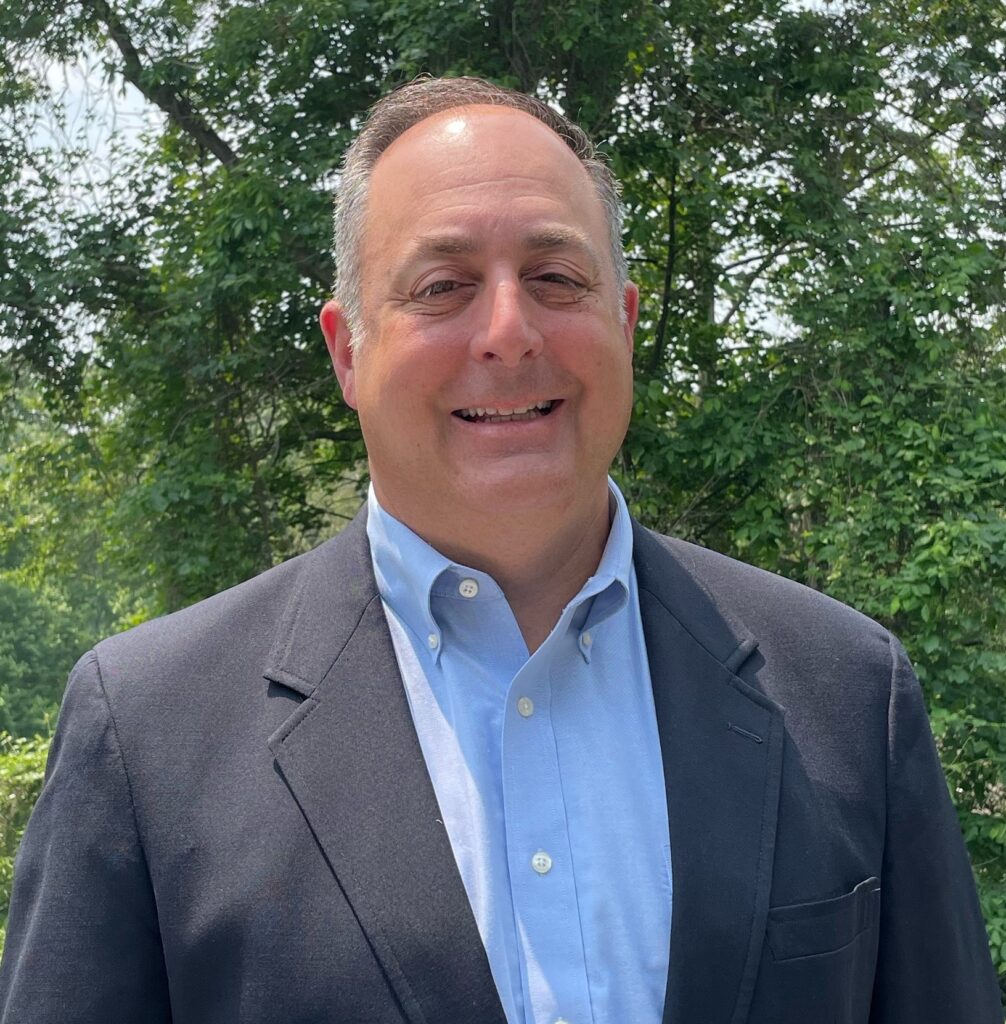
CBE President’s Column November – December 2026
Fellow Congregants,
On November 26, Americans will gather around tables and many will use the Thanksgiving holiday name to share out loud what they are grateful for. It is a lovely custom, and a deeply Jewish one (I
suspect, but cannot prove, that the good folks of the Massachusetts Bay Colony were pretty well
read into the Hebrew Bible, and probably based their festival on Sukkot. But I digress.) Luckily
for us, in addition to Sukkot our tradition has a second festival of thanksgiving, and it arrives
just over a week later this calendar year.
The Talmud (Tractate Shabbat 21b) in describing how Hanukkah was established, teaches that the
“Sages instituted those days and made them holidays with the recitation of Hallel and special
thanksgiving in prayer and blessings.” The Al HaNissim prayer that we recite during each Amidah of
Hanukkah and during each Birkat HaMazon (Grace After Meals) during Hanukkah, says the same; that the eight days were set “to give thanks and praise to Your great Name.”
Hanukkah has other core themes, of course; military victory, rededication, and the light we are
commanded to make public. But thanksgiving runs through all of them. We light the candles not only to remember a victory, but to say thank you for it.
It is important to note that Al HaNissim is not a stand-alone prayer. We insert it into the Modim
prayer, the Amidah’s blessing of thanksgiving, and Modim is unique in that, when the leader repeats
the Amidah, we answer Amen to every blessing except this one, for which we recite our own prayer.
Rabbi Jonathan Sacks, citing Rabbi Elijah Spira, explained why: “Thanks has to come directly from
us.” So, during Hanukkah (and one day of Purim), we insert a reminder of an event that requires us
to give special thanks both in private and public prayer.
The opening line of the Al HaNissim prayer finishes with the words bayamim hahem baz’man hazeh, “in those days, at this time.” The Rabbis wrote it to say that the miracle of then and our gratitude
now are one continuous story. This season, Beth El invites you to experience both halves of that
phrase.
In those days: Chanukah Shabbat Dinner and First Friday
Friday, December 4, 6:00 to 8:00 pm, at Beth El
Hanukkah begins this year on a Friday evening, so Shabbat and the first candle arrive together.
Join us for dinner as we celebrate our annual Hanukkah joy and give thanks for an ancient event
whose meaning has never faded. Click HERE to sign up.
At this time: Bearing Witness, A Gathering of Strength and Community
Saturday, December 19, 7:30 pm, Havdalah, Community and Conversation
A week after Hanukkah ends, we welcome two people who lived through the darkest days of our
generation: Eliya Cohen, an Israeli hostage survivor, and his wife Ziv Abud, a survivor of the Nova
festival. Their presence among us is a sign that, even now, there are events, some might say
miracles, for which we can assign special thanks. We will begin the program singing Havdalah,
holding the braided flame that divides holy from ordinary time, so the evening starts in light,
just as Hanukkah does. Come to listen, to bear witness, and to say thank you in a way that no one
else can say it for you. Save the date! Registration available just click HERE.
These days it is sometimes difficult to think about light, or gratitude, or even the notion of
miracles. But a community that gathers to light, to learn, to sing, or to listen is one worth
celebrating and deserving of thanks. Wishing each of you in advance a Happy Thanksgiving and a Chag Urim Sameach!
B’Shalom, David